

What Workers’ Comp Benefits Cover a Truck-and-Dock Crush Injury in Minnesota?
Key Takeaways: Minnesota workers’ compensation generally covers a crush injury between a truck and a loading dock that happens at work, no matter who was at fault. Benefits can include medical care, wage-loss checks, and possibly permanent disability benefits. Workers should tell their employer within 14 days. Later notice may still be accepted within 30 or 180 days under certain conditions, and a narrow exception applies when the injury left the worker unable to give notice. Temporary total disability benefits generally pay two-thirds of the weekly wage at the time of injury, up to a maximum that resets each October 1. Injured workers can generally choose their own doctor, but some employers use certified managed care plans that limit this choice. The most severe crush injuries may qualify for permanent total disability through listed losses, or through rating thresholds of 17, 15, or 13 percent plus proof that the worker can earn no more than a sporadic, insubstantial income. Insurers may dispute claims, so keep careful records and understand any settlement before signing.
You were pinned between a trailer and the dock, and now you are home or in the hospital with paperwork piling up. You may wonder whether workers’ compensation will pay your bills and replace your paycheck. In most cases, Minnesota workers’ compensation covers a crush injury that happens while you are working. Depending on the facts, your benefits may include medical care, wage-loss checks, and possibly permanent disability benefits. This post explains the notice deadlines, available benefits, and what to do next.
If you are unsure whether your injury was reported correctly, you can get answers before a deadline passes. Mottaz & Sisk Injury Law helps injured workers across Anoka County and the north metro from our main office in Coon Rapids. Call 763.314.1112 or request your free consultation to talk about your claim.

Why Do Loading Dock Accidents Cause Such Serious Injuries?
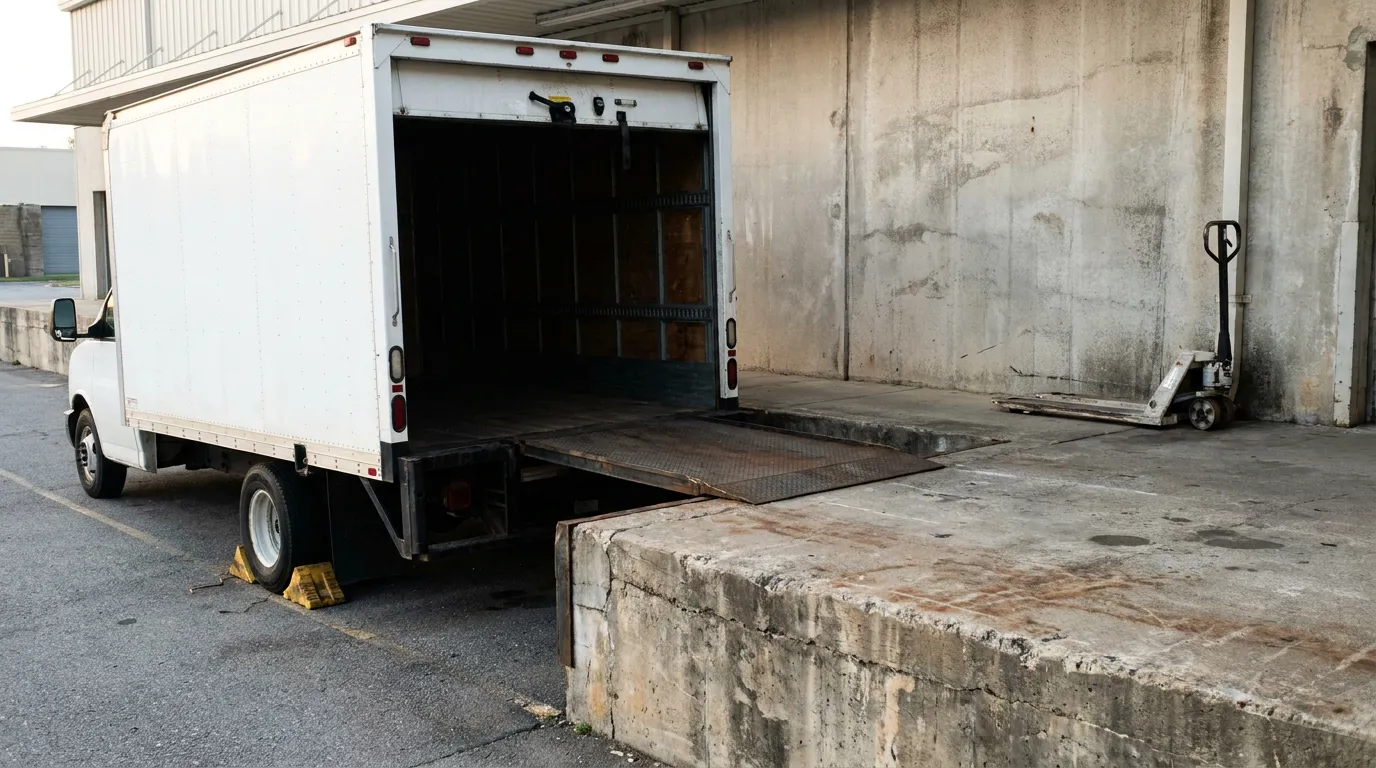
Loading dock accidents often involve heavy vehicles moving slowly into a tight space where a worker is standing. When a truck backs in or a trailer shifts, it can catch a worker against the dock edge. In Minnesota, ice on dock plates and the holiday shipping rush make this worse.
Crush injuries can damage bones, nerves, muscles, and blood flow all at once. Hands and wrists are often caught when a worker reaches out to brace. Mayo Clinic research on common hand and wrist injuries shows how varied these injuries and their treatments can be. More severe crush injuries can harm the pelvis, legs, or spine.
Does it matter how the accident happened?
In general, Minnesota workers’ compensation does not depend on who was at fault. You generally do not have to prove the employer was careless. What matters is that the injury arose out of and in the course of your work. Limited exceptions exist, such as injuries you cause on purpose or that come mainly from intoxication. Injury reports, witness names, and accurate medical records help show the link between your injury and your work.
Did You Report Your Crush Injury in Time?
The basic rule is to tell your employer within 14 days, unless the employer already knows about the injury. Under Minnesota’s injury notice statute, if neither happens, no compensation is due until you give notice or the employer learns of the injury. The law does not strictly require written notice, but written notice is the safest way to prove it. A supervisor or coworker who sees the accident or calls 911 may establish the employer’s actual knowledge, but you should not assume it does.
What if notice came later than 14 days?
Late notice does not always end a claim, but the rules get stricter as time passes. Minn. Stat. § 176.141 sets these steps:
- Within 30 days: Notice is generally enough unless the employer shows the late or flawed notice harmed it, and then only to the extent of that harm.
- Within 180 days: Notice may still count when the delay came from mistake, oversight, not knowing the facts or the law, inability, or the employer’s fraud or deceit.
- After 180 days: Generally, no compensation is allowed. A narrow exception may apply if you were physically or mentally unable to give notice. In that case, you may have 180 days from when you become able again.
That exception can matter after a catastrophic crush injury. A worker in intensive care may not be able to report anything, but the exception depends on the facts and is not automatic.
💡 Pro Tip: Even if your supervisor saw the accident, send a short written notice by email or letter and keep a copy.
What Wage-Loss Benefits Can You Get While You Cannot Work?
If your injury keeps you off work for a time, you may receive temporary total disability (TTD) benefits. Under Minn. Stat. § 176.101, subd. 1(a), these generally equal two-thirds (66-2/3 percent) of your weekly wage at the time of injury. Your weekly wage can include overtime and, in some cases, wages from a second job. TTD also has a minimum and generally lasts no more than 130 weeks. It can stop sooner, such as upon a return to work or reaching maximum medical improvement under certain conditions.
These weekly checks have a maximum that may change every year. For injuries on or after October 1, 2024, the maximum is set each October 1 at 108 percent of the statewide average weekly wage for the prior year. The maximum in effect on your date of injury generally applies.
Do you have to treat with the company clinic?
Generally, no. Minnesota law generally lets you choose your own doctor. An exception applies if your employer uses a certified managed care plan, which may require you to treat within its network. Wherever you treat, report all symptoms accurately, go to every appointment, and follow the treatment plan. Keep copies of your records, work restrictions, and bills.
When Can a Crush Injury Lead to Permanent Total Disability in Minnesota?
Some crush injuries are so severe that the worker may never return to steady work. Minnesota law lists certain losses that count as permanent total disability. These include total and permanent loss of sight in both eyes, loss of both arms at the shoulder, loss of both legs so close to the hips that no effective artificial limbs can be used, and complete and permanent paralysis.
What if your injury is not on that list?
You may still qualify if the injury permanently keeps you from earning an income and you meet a rating threshold. The whole-body permanent partial disability rating must be:
- At least 17 percent; or
- At least 15 percent if you were 50 or older at the time of injury; or
- At least 13 percent if you were 55 or older at the time of injury and do not have a high school diploma or GED.
"Totally and permanently incapacitated" generally means you can find nothing more than sporadic work that pays an insubstantial income. Your age, education, training, and experience count only after you meet one of these rating thresholds. Keep the rating (a percentage) separate from any dollar amount, since payment depends on a separate schedule and your injury date.
| Your situation | Rating threshold for permanent total disability |
|---|---|
| Any age | At least 17% |
| Age 50 or older at injury | At least 15% |
| Age 55 or older, no diploma or GED | At least 13% |
Can Your Employer’s Insurer Challenge a Truck Dock Accident Claim?
Yes, an insurer may dispute parts of your claim, even when the injury is obvious. Common disputes include late notice, how the insurer figured your weekly wage, or whether you need ongoing treatment. An insurer’s denial letter is not a decision by a judge or agency. You can resolve disputes through mediation, administrative conferences, and hearings, which are separate options, not fixed steps.
A permanent partial disability (PPD) payment does not necessarily end your claim. A PPD payment is generally not a settlement. If you later get a settlement offer, make sure you understand what benefits it would close before you sign anything. For a related situation, see our guide on forklift crush injuries.
Frequently Asked Questions
1. Is a crush injury at a loading dock covered if it was partly my fault?
In most cases, yes. Minnesota workers’ compensation generally does not depend on fault, with narrow exceptions such as hurting yourself on purpose or intoxication.
2. My supervisor saw the accident. Do I still need to give written notice?
Your employer’s actual knowledge may satisfy the notice rule. Still, written notice with a saved copy can help remove doubt.
3. How much will my weekly checks be?
Temporary total disability is generally two-thirds of your weekly wage at the time of injury, subject to a minimum and a maximum. The maximum in effect on your injury date generally applies.
4. Does a high disability rating automatically mean permanent total disability?
No. Generally, you must meet a rating threshold and also show that the injury permanently keeps you from more than sporadic, low-income work.
5. Can I see my own doctor?
Generally, yes. However, if your employer uses a certified managed care plan, you may have to treat within its network.
Protecting Your Benefits After a Dock Crush Injury
After a crush injury at a loading dock, your Minnesota workers’ comp benefits may include medical care, wage-loss checks, and possibly permanent disability benefits, depending on the facts. Notice deadlines start at 14 days, with limited room at 30 and 180 days and a narrow exception if you were unable to give notice. The most serious injuries may qualify for permanent total disability through listed losses or rating thresholds plus proof that you cannot earn more than a sporadic, insubstantial income.
What should I do next?
- Give your employer written notice of the injury if you have not already, and keep a copy.
- Gather your medical records, work restrictions, pay stubs, and any witness names.
- Save every letter from the insurer and note the date you received it.
- Write down how the accident happened while you still remember the details.
If you are not sure your dock injury was reported in time, a short review can help. Mottaz & Sisk Injury Law has extensive experience helping injured workers in Coon Rapids and across Minnesota. Learn more about our Minnesota workers’ compensation lawyers, call 763.314.1112, or schedule a free consultation. We work on a contingency fee, so you pay no attorney fee unless we recover benefits for you, and we do not bill clients for costs.
Reviewed by Jerry Sisk, Chair of the Workers’ Compensation Section of the Minnesota Association for Justice and Editor of the Minnesota Workers’ Compensation Deskbook.
Disclaimer: This content is for informational purposes only and is not legal advice. Every case is unique, and results may vary. Consult an attorney about your specific circumstances.