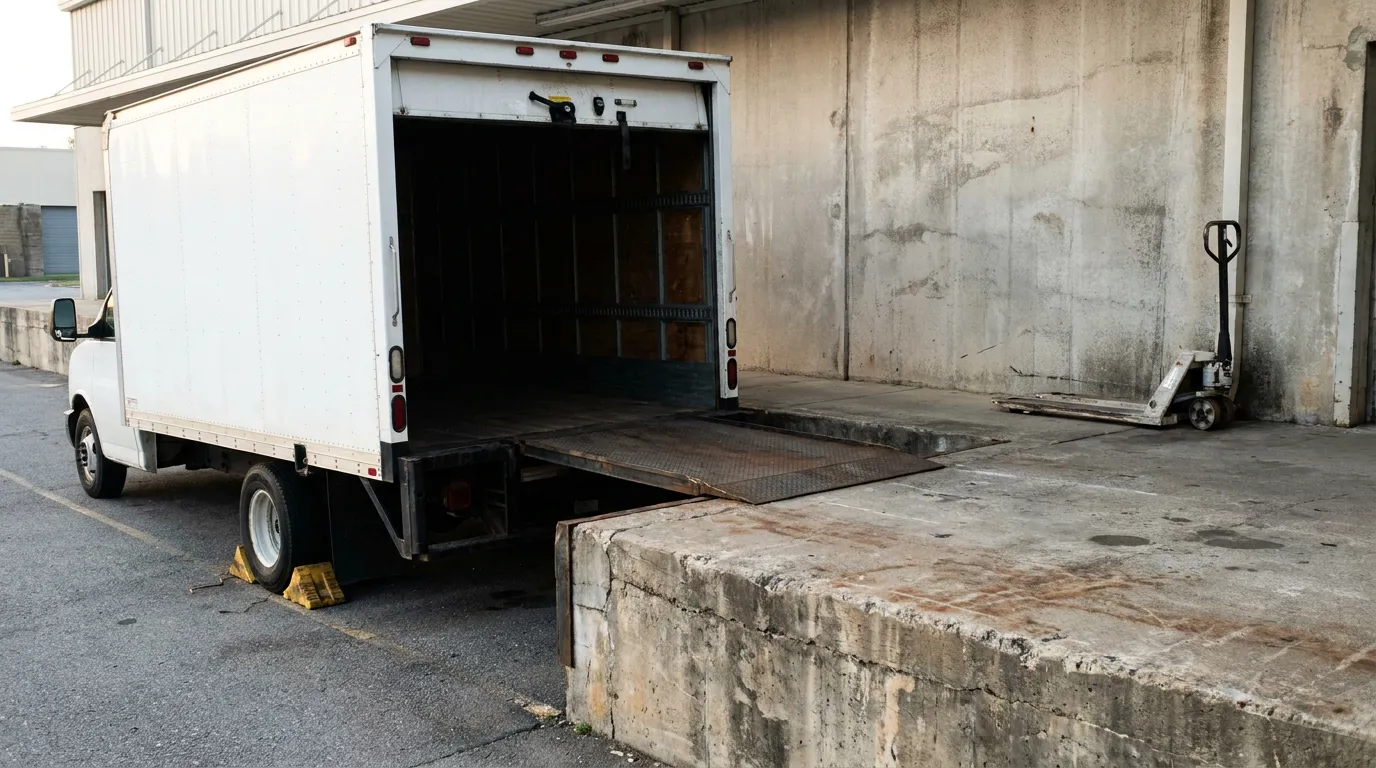


Earlier this month, a 40-year-old Minneapolis carpenter died after falling roughly ten feet from a ladder while working. He left behind a wife and two young children. Our thoughts are with his family and his coworkers.
Falls like this are not rare. According to the U.S. Bureau of Labor Statistics, falls, slips and trips caused 20 worker deaths in Minnesota in 2024, nearly a quarter of all work-related deaths in the state and a higher share than the national average. Behind each of those numbers is a family that suddenly has to figure out how to pay the mortgage, the funeral home and the bills that keep coming.
If you have lost a spouse, parent or other family member in a work accident in Minnesota, here is what you should know about the benefits that may be available.
Workers’ compensation covers deaths, not just injuries
Minnesota’s workers’ compensation system is “no-fault.” That means the family does not have to prove the employer did anything wrong. If the death arose out of and in the course of employment, benefits are owed. When a worker dies, the law shifts those benefits to the people who depended on the worker’s income.
Under Minnesota Statutes section 176.111, those benefits can include:
- Dependency benefits. Weekly payments to a surviving spouse and dependent children, calculated as a percentage of the worker’s average weekly wage. The percentage and how long payments last depend on who the dependents are.
- Funeral and burial expenses. Reimbursement of up to $15,000.
- Unpaid medical bills. Treatment the worker received before death, such as emergency care and hospitalization, should be paid by the workers’ compensation insurer.
“Average weekly wage” sounds simple, but it often is not. Overtime, a second job, per diem and seasonal work can all affect the number, and insurers do not always get it right. A wage figure that is too low shortchanges the family for years.
Who counts as a dependent?
A surviving spouse and minor children are presumed to be dependents. Older children who are full-time students or disabled may also qualify, as can other family members who relied on the worker’s income. Questions about who qualifies, and in what share, come up often in blended families and when a couple was not married.
Was he an employee or an independent contractor?
This question matters a great deal in the construction trades. Workers’ compensation covers employees. Some companies label carpenters, roofers and other tradespeople as “independent contractors” or “subs” to avoid paying for coverage. That label is not the final word. Minnesota law looks at how the work actually happened: who controlled the job, who supplied the tools, how the worker was paid and more. And when a subcontractor has no insurance, the general contractor above it may be responsible for benefits.
Even if a worker truly was self-employed, the family should not assume nothing is available. Other insurance or a claim against a third party may still apply.
A separate claim may exist against someone other than the employer
Workers’ compensation is generally the only remedy against the employer. But when someone else contributed to the death, such as a property owner, another contractor on the site or the maker of a defective ladder or scaffold, the family may also have a wrongful death claim against that party. Those claims can recover losses that workers’ compensation does not cover. Wrongful death cases have their own strict deadlines, so evidence should be preserved early: the ladder itself, photos of the site and names of witnesses.
What happens next, and what to watch for
- The employer must report a work-related death to its insurer and to the Minnesota Department of Labor and Industry promptly.
- Minnesota OSHA typically investigates workplace deaths. Its findings can be important evidence.
- The insurer may contact the family quickly. You do not have to give a recorded statement or sign anything before you understand your rights.
- If benefits are denied, or the insurer says the death was not work-related, the family can file a claim with the Minnesota Court of Administrative Hearings.
Talk with a Minnesota workers’ compensation attorney
Families should not have to sort through insurance paperwork while they are grieving. Mottaz & Sisk Injury Law represents injured workers and their families throughout Minnesota, from the Twin Cities to Duluth, St. Cloud, Rochester and everywhere in between. We work on a contingency fee, so there is no cost to talk with us, and we can meet by phone or video if that is easier for you.
Call 763-314-1112 for a free consultation.
This article is general information about Minnesota law, not legal advice for any specific situation. Reading it does not create an attorney-client relationship.